
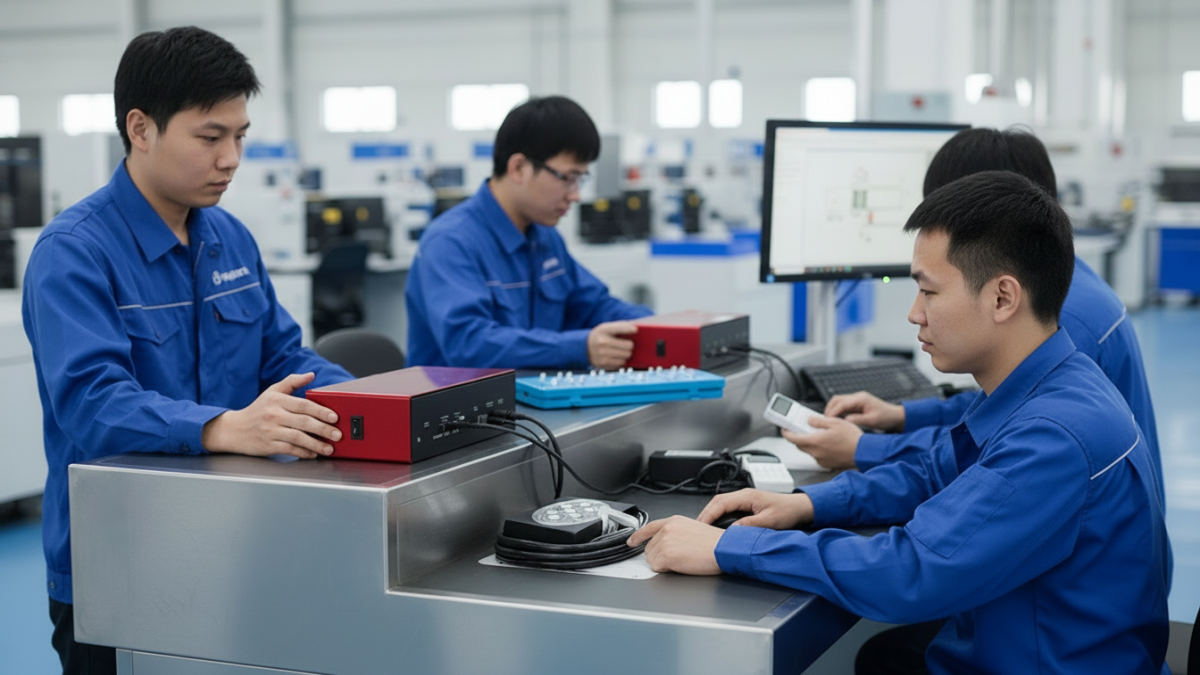
An arcade button or joystick costs very little compared with a complete machine, but the wrong control can still leave a player position unusable. A part may look correct in a photo and still have the wrong mounting size, microswitch, connector or control feel.
For arcade operators, distributors and repair buyers, six details matter most before ordering: size, mounting, control feel, microswitches, wiring compatibility and future replacement availability.
Check the Size Before the Appearance
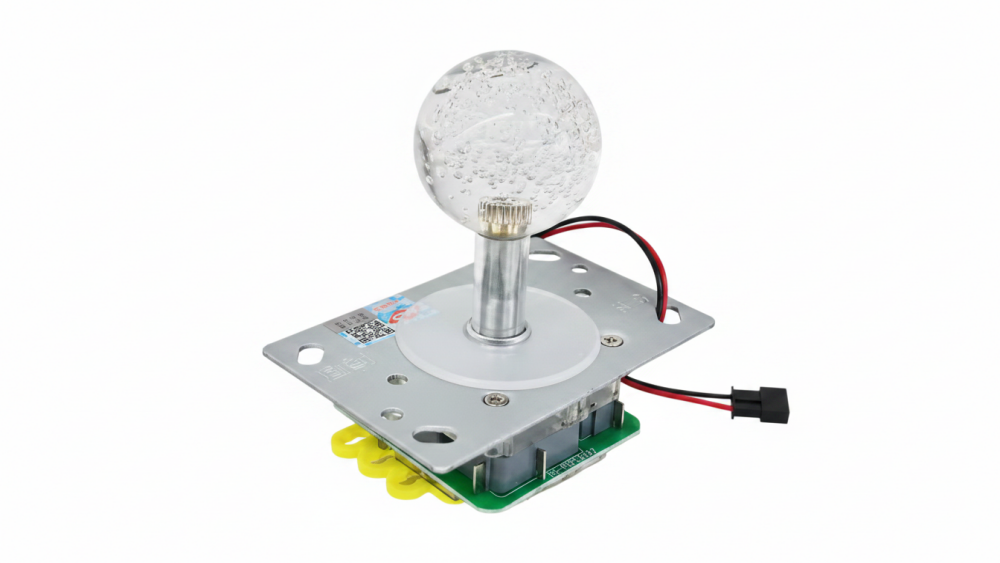
Two arcade buttons can look almost identical and still require different mounting holes. Joysticks can also vary in mounting plate size, shaft height and installation depth.
Before ordering, measure the existing control panel and old part. For buttons, confirm the mounting-hole diameter and panel thickness. For joysticks, check the mounting plate, shaft length and available space below the panel.
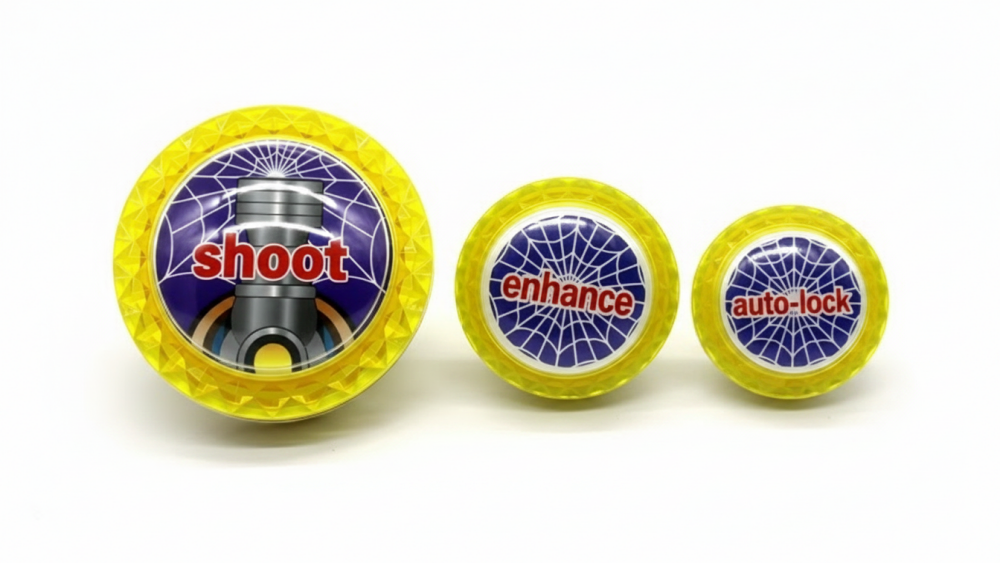
Our 60mm and 46mm Arcade Game Buttons are a simple example of why dimensions should be confirmed instead of assuming that all arcade controls are interchangeable.
Does the Control Feel Right for the Machine?
Players notice loose or unresponsive controls immediately. A joystick that does not return cleanly to center or a button that sticks can make a working cabinet feel poorly maintained.
Control feel also depends on the machine. A fish game cabinet, fighting game or other amusement machine may need different joystick movement, button resistance or control-panel spacing.
Check the Microswitch, Not Just the Button
Many control faults come from the microswitch rather than the visible button cap or joystick handle. A worn or inconsistent switch can cause missed inputs, delayed response or intermittent operation.
For replacement orders, confirm the microswitch type, terminal layout and connector style. If the cabinet uses quick-connect terminals or a wiring harness, the new part should match that setup whenever practical.
For broader technical context, IEC 60947-5-1 covers control circuit devices and switching elements used for functions such as control and signalling. Arcade replacement parts are not automatically certified to this standard, but the practical point is relevant: switches, terminals and connected control circuits need to work as a matched system.
Make Sure the Wiring and Panel Match
A mechanically correct part can still create installation problems if the terminals, connector or wiring arrangement do not match the existing cabinet.
Before buying, photograph the old button or joystick from both sides, including its terminals, wiring and control-panel opening. For repair orders, these photos are often more useful than sending only the machine model.
Six Checks Before Ordering
| Check | What to Confirm |
|---|---|
| Size | Button diameter, joystick dimensions and panel opening |
| Mounting | Panel thickness, mounting plate and installation depth |
| Control Feel | Button resistance and joystick movement |
| Microswitch | Switch type, terminals and response |
| Wiring | Connector and existing harness compatibility |
| Replacement | Whether the same model can be supplied later |
Keep the Right Controls as Spare Parts
Buttons, microswitches and common joystick parts are relatively inexpensive, but one failed control can still take a player position out of service.
Operators do not need to stock every model. A better approach is to keep small quantities of the controls used across several machines. Distributors supporting many cabinets can reduce maintenance complexity by standardizing button sizes, joystick models and connectors where possible.
What Should You Send Before Ordering?
- A photo of the complete control panel.
- Front and rear photos of the old part.
- Button or mounting-hole dimensions.
- Joystick mounting dimensions.
- Microswitch and connector photos.
- Required quantity and machine model.
For an overseas replacement order, confirming these details before shipment is much easier than discovering that the new control does not fit after delivery.
Industry Insight: Standard Controls Can Reduce Downtime
For commercial operators, the best control is not necessarily the cheapest or most unusual model. A part that is easy to identify, replace and reorder may have more value over the life of the machine.
If several cabinets use the same button size, joystick model, microswitch and connector, the spare-parts list becomes smaller and technicians can complete repairs faster.
For distributors, consistent controls also make repeat orders easier to support because customers are less likely to need a different replacement part for every machine.
Final Thoughts
Before buying arcade buttons and joysticks, do not compare price and appearance alone. Check dimensions, mounting, control feel, microswitches, wiring and future replacement availability.
Fusen supplies arcade buttons, joysticks, microswitches and other control parts for commercial arcade machines. For replacement and wholesale orders, confirming the existing control panel and wiring before shipment is one of the simplest ways to reduce wrong-part orders and future maintenance problems.
Need Factory Direct Fish Game Solutions?
Contact FUSEN for fish game machines, PCB kits, cabinets, OEM/ODM customization, and long-term technical support.
Get Factory Quote