
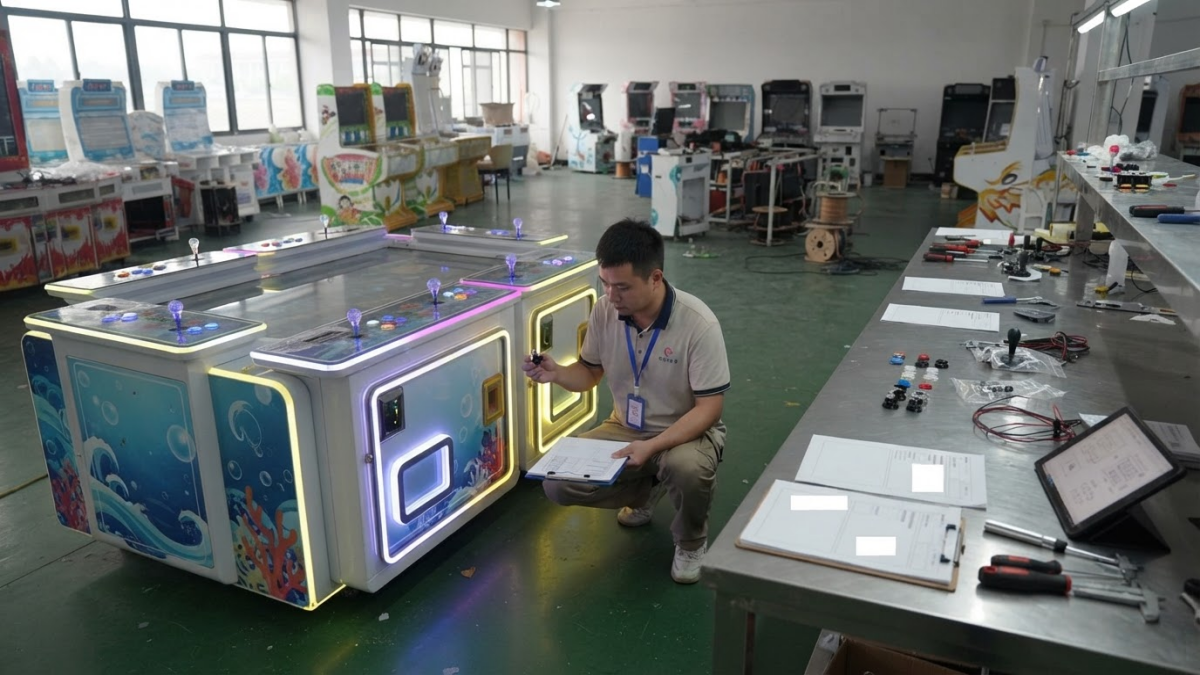
The first OEM arcade machine order usually receives the most attention. Cabinet color is checked, artwork is approved, software is tested, and the buyer reviews photos or videos before shipment.
The real consistency test comes with the second and third order.
A changed power supply, revised wiring harness, updated software version, different payment interface, or moved logo may look like a minor factory adjustment. For a distributor or venue operator, it can affect spare parts, technician training, customer expectations, and future repairs.
Why Repeat Orders Need Change Control
Product consistency does not mean that nothing can ever be improved. It means important changes should be identified, reviewed, tested, and approved before production.
The ISO 9001 Auditing Practices Group guidance explains that design changes should be controlled and their effects evaluated. Additional testing may be needed, especially when the change affects products already delivered or future service requirements.
For arcade equipment, this is a practical issue. A new component may work correctly in the factory but still create problems if it no longer matches existing spare parts, manuals, test records, or customer machines.
Create One Approved Master Configuration
After the first unit or batch is approved, the buyer and factory should keep one master configuration as the reference for repeat orders.
- Cabinet size, color, artwork file, logo position, and screen specification
- Button layout, joystick model, player number, and control-panel drawing
- PCB model, I/O board, software version, language, difficulty, and boot screen
- Power supply, voltage, frequency, plug, grounding, and wiring
- Coin acceptor, card reader, credit setting, signal type, and connector
- Packaging, spare parts, labels, accessories, and manual version
Photos are useful, but they should not replace model numbers and configuration details. Two boards, power supplies, or connectors can look similar while using different outputs or signal logic.
Separate Cosmetic and Functional Changes
A logo adjustment is not the same as changing a PCB, screen, payment module, or power supply.
Cosmetic Changes
Cabinet color, artwork, lighting appearance, logo placement, and printed labels mainly affect branding. These changes can normally be approved through updated drawings, renderings, or production photos.
Functional Changes
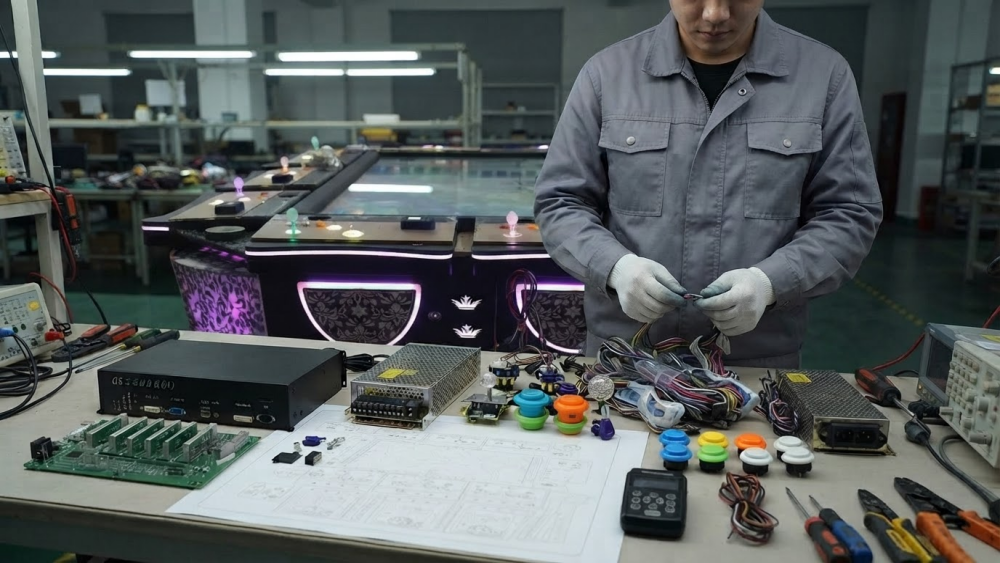
Changes to the PCB, software, display, controls, power supply, I/O board, wiring, or payment system require a more careful review. The factory should explain why the component changed and whether the replacement remains compatible with existing parts and documentation.
For board-related changes, our fish game machine PCB replacement guide explains why software version, player configuration, screen output, I/O interface, and payment settings should be checked together.
Electrical Changes Need More Than a Photo
Electrical parts should never be approved only because they look similar. Buyers should confirm input voltage, frequency, output, current capacity, fuse protection, grounding, terminal positions, and wiring changes.
The official IEC 60204-1 overview covers areas including power connection, protective bonding, control circuits, testing, marking, and technical documentation for machinery electrical systems.
The exact standard and certification requirements depend on the machine design and destination market. Even so, accurate electrical records are essential for installation, maintenance, and future replacement parts.
Approve Important Changes with Evidence
A major change should not be approved through a short message saying that the new part is “the same.” The evidence should match the risk.
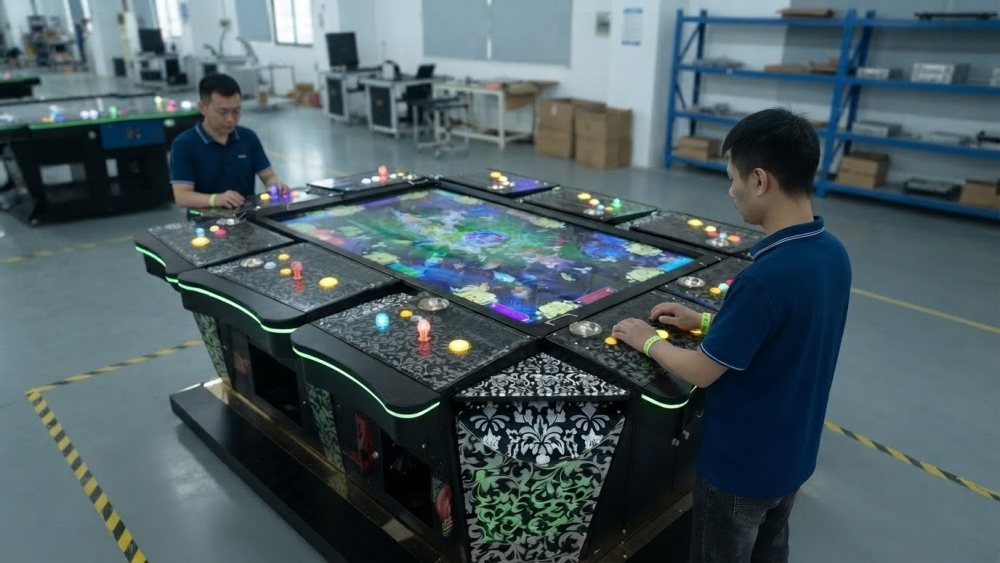
Artwork changes may only need revised drawings and photos. PCB, software, screen, payment, or control changes should be supported by a test video showing startup, every player position, sound, display output, payment credits, settings, and continuous operation.
When several systems change together, approving one updated sample before batch production is safer than discovering the difference after the full order is complete.
Our guide to amusement machine production and quality checks explains how configuration confirmation, assembly, testing, and shipment inspection connect during production.
Keep Documents Matched to the Product Version
When a functional change is approved, update the configuration sheet, parts list, wiring photos, software record, test video, manual, and packaging details. Keep the previous version instead of overwriting it.
The European Union’s technical documentation guidance states that relevant files should explain the product’s design, manufacture, and operation and show compliance with applicable requirements.
Not every arcade machine follows the same legislation. The practical point is that technical records should always match the machine version actually built and shipped.
Industry Insight
For distributors, repeat-order consistency is an after-sales cost issue as much as a production issue.
When different batches use the same controls, power supplies, boards, connectors, and software, one spare-parts inventory can support more customers. Technicians need fewer repair procedures, and maintenance buyers can identify the correct replacement faster.
A cheaper component substitution may save a small amount during production but create larger costs later if spare parts no longer fit, manuals become inaccurate, or several undocumented versions of the same machine enter the market.
A reliable OEM process does not prevent change. It makes important changes visible, testable, and traceable before they reach the customer.
Final Thoughts
The first approved machine should become a production reference, not a sample that is forgotten after shipment.
Before every repeat order, compare the cabinet, controls, PCB, software, payment system, electrical configuration, wiring, packaging, and documents against the approved version.
When a change is necessary, record it, test it, and approve it before batch production. That discipline protects product consistency and makes long-term distribution and maintenance much easier.
Need Factory Direct Fish Game Solutions?
Contact FUSEN for fish game machines, PCB kits, cabinets, OEM/ODM customization, and long-term technical support.
Get Factory Quote