
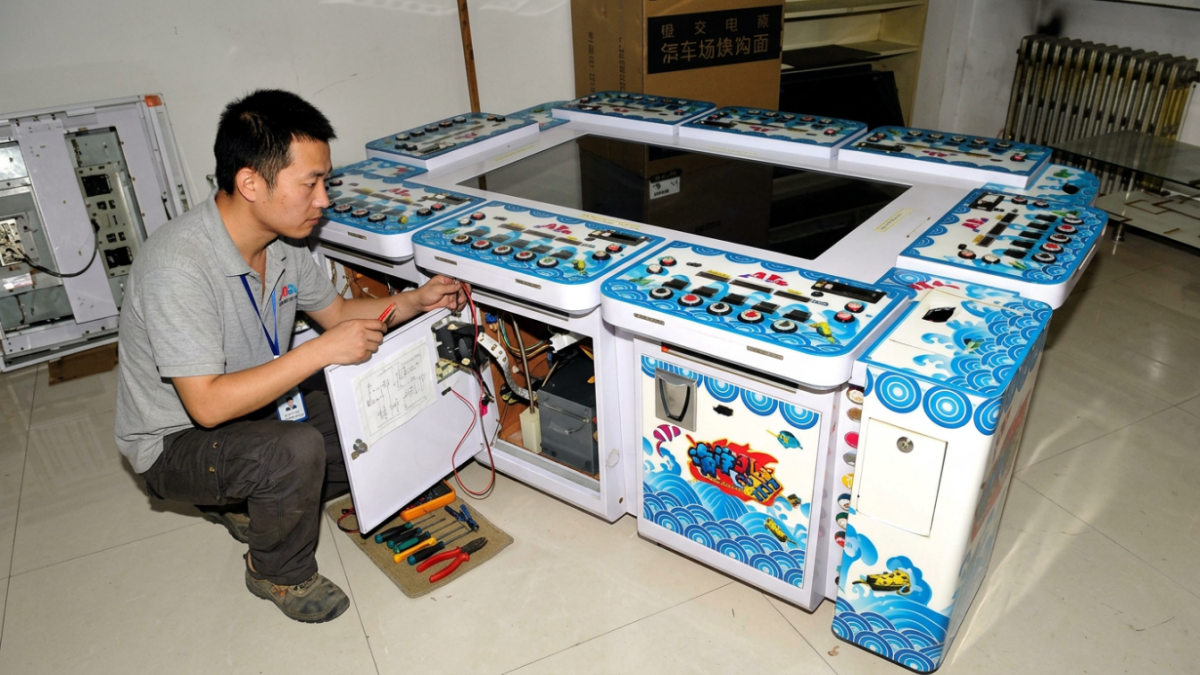
Buying a fish game PCB is not a simple board-for-board purchase. The PCB has to match the I/O system, controls, screen output, wiring, payment device and software used in the cabinet.
A board may look correct in a photo and still fail after installation. It may boot normally but lose one player position, display incorrectly or reject credits from the venue’s card system.
For venue owners, that means downtime. For distributors, it becomes an after-sales issue. For repair buyers, it may mean paying freight twice. A reliable fish game PCB supplier should reduce these risks before shipment.
Confirm the Machine Before Quoting
A supplier cannot confirm compatibility from the game name alone. Older cabinets are often repaired, rewired or fitted with different payment systems, so the current setup may no longer match the original specification.
Before quoting, the supplier should check the player count, PCB and I/O board models, connector labels, screen input, control layout and payment interface. For a faulty machine, clear photos and a short power-on video are usually more useful than a long description.
This helps separate a direct replacement from a conversion project. A supplier who recommends a board from one product photo is usually leaving the compatibility risk with the buyer. Our fish game PCB compatibility guide covers the main matching points.
Confirm What the PCB Kit Includes
“PCB kit” does not mean the same thing in every quotation. Some packages contain only the main board. Others include the I/O board, player boards, wiring harness, cables and configured software.
Ask for a written packing list and confirm which parts are included, optional or expected to be reused. On a multi-player cabinet, one missing harness or mismatched I/O board can stop the whole installation.
Compare the total cost of returning the machine to service, not the main-board price alone. Extra freight, technician time and repeated troubleshooting can quickly remove the saving from a cheaper quotation.
Ask to See the Actual Configuration Tested
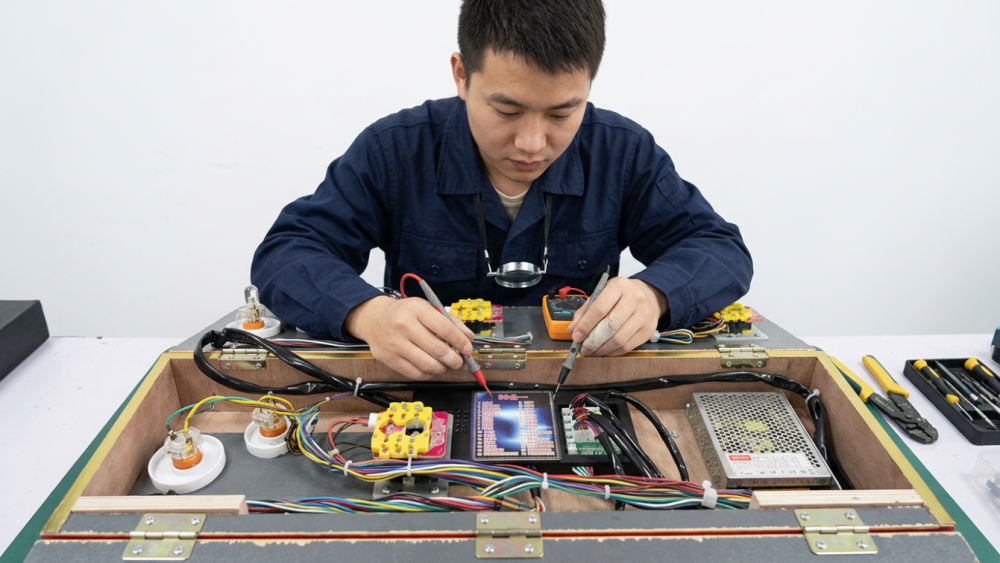
A power light and title screen are not a complete test. The video should show the actual board being shipped and the functions ordered by the customer.
A practical test should cover:
- Screen output and sound.
- Every player position.
- Button and joystick response.
- Coin, card or other payment input.
- Language, player count and difficulty settings.
IPC-A-610 is widely used as an acceptance reference for electronic assemblies. It does not replace functional testing, but it supports a basic buying rule: workmanship, connectors and assembly quality should be checked before a board is accepted for commercial use.
Record the Software and Version
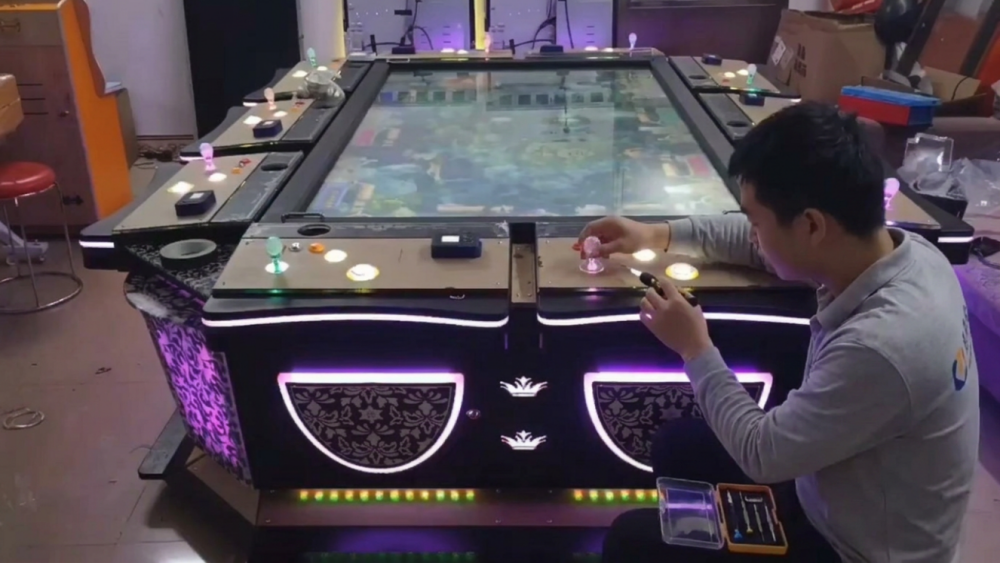
Two boards carrying the same game name may use different software builds, I/O mapping or payment settings. The difference may not become obvious until installation.
The order record should show the software name, version, language, player count, I/O type, screen output and payment method. It should also state which settings the operator can adjust and which changes require supplier support.
This is especially important for distributors and venues operating several similar machines. A simple configuration record makes future replacement and remote troubleshooting much faster.
Check Support Before Ordering
Good technical support starts with diagnosis, not an immediate instruction to replace the main board.
Sound without display, repeated restarting or one inactive player position may come from the power supply, wiring, screen, I/O board or software settings. A useful support process asks for a power-on video and clear connection photos before deciding which part has failed.
Confirm the warranty procedure, available wiring references and future supply of the same model. Be cautious when a supplier avoids showing the actual unit under test, changes software without approval or has no clear replacement plan.
Our fish game PCB troubleshooting guide shows what information operators and repair teams should prepare before requesting support.
Industry Insight
For operators and distributors, standardizing PCB configurations is usually more valuable than carrying many unrelated versions.
Keep a simple record for each machine: PCB model, software version, player count, I/O board, payment type and wiring photos. Distributors should assign an internal stock code to each complete configuration rather than relying only on the game name.
A NIST manufacturing study found that companies relying more on preventive and predictive maintenance had 52.7% less unplanned downtime and 78.5% fewer defects than companies relying more heavily on reactive maintenance.
These figures are not arcade-specific, but the lesson is relevant: known configurations, planned spare parts and repeatable diagnosis are more dependable than emergency purchasing after a machine stops.
Final Thoughts
A reliable fish game PCB supplier confirms the machine, defines the complete kit, tests the actual configuration and records the software version.
For venue owners, that reduces downtime. For distributors, it reduces after-sales disputes. For repair buyers, it improves the chance of ordering the correct solution once.
Before choosing the lowest quotation, ask a practical question: if this machine has a problem next year, will the supplier still know what was shipped and how to replace it?
Need Factory Direct Fish Game Solutions?
Contact FUSEN for fish game machines, PCB kits, cabinets, OEM/ODM customization, and long-term technical support.
Get Factory Quote